

Storm damage cleanup in Partridge Creek starts with safety and a calm inspection. Cleanup removes hazards, restores access, and stabilizes trees that can be saved. Some trees need removal after severe structural damage.
Partridge Creek in Clinton Township has mature trees near homes, patios, and driveways. Storms place sudden stress on trunks and limbs. Wind twists crowns. Rain softens soil. Ice adds weight and changes balance.
Homeowners ask this question after a storm.
What happens after storm tree damage?
After storm tree damage, hazards get identified first, then crews remove danger and restore stability.
Storm cleanup is not only about what fell. It is also about what is ready to fall.
What storm tree damage looks like in Partridge Creek
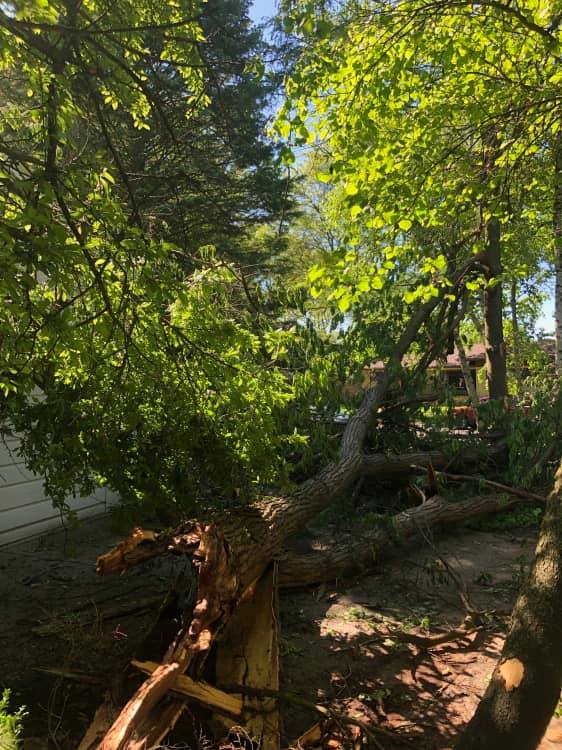
Storm damage can look obvious. It can also hide in the canopy.
Common signs include:
- Large limbs on lawns
- Splintered break points in the crown
- A hanging limb caught in another branch
- A trunk crack that was not there before
- A tree leaning more than it did last week
- Exposed roots or lifted turf near the base
A tree can lose one major limb and still stand. The remaining canopy may become unbalanced. That imbalance raises future risk.
What to do right away after storm tree damage
Start with safety. Focus on the highest risk zones.
Keep people and pets away from the tree. Keep cars out of the fall zone. Block off paths under damaged limbs.
Avoid ladders near damaged trees. Avoid cutting large limbs with a saw. Storm damage creates tension in wood. Tension releases fast and can injure people.
If a tree touches utility lines, keep distance. Treat the area as dangerous until cleared.
The first inspection step that matters most
A quick walk around the tree tells you a lot.
Look at the canopy shape. Look for missing sections and torn bark. Look for limbs that hang and do not move freely.
Then check the trunk. Fresh cracks can look like long seams. Some cracks open wider near the base. Others appear near branch unions.
Then check the ground. Lifted turf and soil heaving point to root movement. Exposed roots on one side can signal loss of anchoring.
If any of these show up near a home or driveway, treat the situation as urgent.
What crews do during storm damage cleanup
Storm damage cleanup follows a set order.
Crews address immediate hazards first. Hanging limbs get removed before ground debris. Trees resting on structures get stabilized before full removal.
Typical steps include:
- Site walk and hazard marking
- Access planning for equipment and debris movement
- Controlled limb removal in small sections
- Removal of fallen sections with safe cutting order
- Final debris clearing for walkways and driveways
- Review of remaining trees near the damage zone
This order prevents secondary damage during cleanup.
How hanging limbs get handled
Hanging limbs create one of the most dangerous situations after storms.
A limb may look stable. It can still drop with a small gust. It can also shift while you move debris on the ground.
Crews remove these limbs in controlled sections. They reduce weight first. They lower pieces away from roofs, fences, and patios.
The goal is simple. Remove the risk without creating new impact.
What happens if a tree is leaning after a storm
Lean changes matter more than lean itself.
A stable lean that has stayed the same for years may not be urgent. A new lean after rain or wind signals risk.
Trees can lean for two common reasons after storms:
- Root plate shift from wet soil and wind load
- Canopy imbalance after major limb loss
A leaned tree can still be salvageable. It depends on root stability and trunk integrity. A safety assessment determines whether pruning and support work can restore stability or whether removal is the safer choice.
When a storm damaged tree can be saved
Many trees can be saved after storms.
Trees often recover when damage is limited to limbs. Clean pruning cuts remove torn wood. Corrective pruning restores balance. Deadwood gets cleared.
A tree can also recover after partial canopy loss. The remaining crown must be balanced. Weak branch unions need correction.
Recovery becomes less likely with major trunk cracks, deep cavities opened by breakage, or root plate movement.
When removal becomes necessary after storm damage
Some storm damage crosses the line into structural failure.
Common removal indicators include:
- A major split in the trunk
- Root plate lift with visible soil cracking
- A tree resting on a structure with heavy load
- Severe lean toward a home or driveway
- Multiple large limbs lost from one side of the canopy
These conditions often create unpredictable failure. Removal reduces future risk.
Fallen tree cleanup and cutting order
Fallen trees can look simple. They often hold tension in the trunk and limbs.
Tension creates kickback risk. It can pinch saws. It can also cause sudden movement during cutting.
Crews cut fallen trees in a safe sequence. They relieve pressure first. They avoid cutting in spots where wood can snap and shift.
After the trunk gets sectioned, debris gets moved out. This restores access and reduces trip hazards.
Debris clearing and site recovery
Cleanup is not complete when the big wood is gone.
Brush piles block movement and hide trip hazards. Small limbs and twigs can puncture tires. Debris also delays yard work and repairs.
Full cleanup includes:
- Clearing driveways and sidewalks
- Removing brush and small limbs from lawns
- Stacking and moving wood sections safely
- Leaving the site accessible for repairs or future tree work
This step restores normal use of the property.
What happens in the weeks after storm tree damage
Storm damage can lead to delayed failure.
Cracks can grow over time. Torn branch unions can decay. A tree may leaf out later and still have internal damage.
Watch for these changes during the next 30 to 90 days:
- New dead sections in the canopy
- Bark peeling near split areas
- Mushrooms at the base or on the trunk
- Increasing lean or fresh soil cracks
- Branches dropping during light wind
A follow up inspection helps catch these issues early.
How Bucket Baby Tree Service handles storm damage cleanup
Bucket Baby Tree Service provides storm damage cleanup in Partridge Creek and across Clinton Township. Crews start with a safety review and a clear cutting plan.
They remove hanging limbs first. They stabilize damaged trees when salvage makes sense. They clear debris to restore safe access and reduce future risk.
This work protects homes and keeps yards usable again.
FAQs
What happens after storm tree damage?
Storm tree damage leads to an inspection for hazards and structural risk. Cleanup then removes hanging limbs, fallen sections, and debris that blocks access. Trees that remain stable can often be pruned for recovery.
How do I know if storm damage is dangerous?
Danger increases when limbs hang in the canopy or when the trunk shows a fresh crack. Soil heaving near the base also signals risk. Treat any of these as urgent near homes or driveways.
Can a tree fall days after a storm?
Yes, delayed failure happens when cracks widen or roots continue shifting in wet soil. A tree may look stable and still fail later. Early assessment reduces that risk.
Should I cut up fallen limbs myself after a storm?
Small limbs on open lawn are often manageable with care and clear space. Large limbs and hung pieces can shift and cause injury. Professional crews remove these pieces in a controlled way.
Can storm damaged trees be saved?
Many can, especially when damage stays in the limbs. Clean pruning cuts remove torn wood and restore balance. Trees with major trunk splits or root plate lift often require removal.
What should I avoid after storm tree damage?
Avoid ladders, roof climbing, and standing under broken limbs. Avoid pulling on branches or pushing on trunks. Keep the area clear until hazards are removed.